
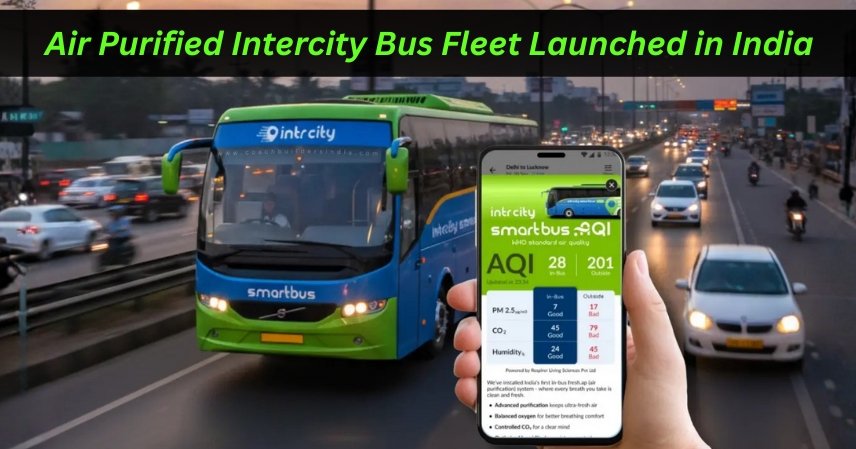
India’s transportation system is evolving rapidly. The latest milestone is the introduction of the country’s first fleet of intercity buses equipped with advanced air purification technology. This initiative marks a significant move towards making public transport safer, cleaner, and more comfortable—especially as concerns about air quality and respiratory health continue to rise.
Why Does India Need Air-Purified Buses?
Addressing Air Pollution
Air pollution is a growing challenge, particularly in densely populated urban areas and along busy highways. Commuters are frequently exposed to:
- PM2.5 particles
- Dust and airborne contaminants
- Allergens and bacteria
- Vehicle emissions
Traditional buses use basic ventilation systems that often draw polluted air into the cabin. The new air-purified fleet directly tackles this issue by ensuring cleaner air for passengers.
The Importance of Cleaner Travel
With millions relying on buses for:
- Daily commutes
- Intercity travel
- Tourism
- Long-distance journeys
Cleaner cabin air means:
- Reduced health risks
- Less fatigue
- Greater comfort
- Enhanced safety for elderly and sensitive passengers
Key Features of India’s Air-Purified Intercity Buses
Advanced HEPA Filtration
High-Efficiency Particulate Air (HEPA) filters capture:
- Dust and particles
- Viruses and pathogens
- Allergens
- Harmful PM2.5 and PM10 pollutants
- These filters maintain clean cabin air even in poor external conditions.
Real-Time Air Purification
Buses employ ionization and UV-C purification systems to eliminate harmful bacteria, creating a safer onboard environment.
Real-Time Air Quality Monitoring
- Some buses feature sensors that:
- Continuously track air quality
- Display AQI (Air Quality Index) on digital screens
- Automatically adjust filtration based on pollution levels
Temperature Regulation
Integrated air conditioning ensures a comfortable temperature, further enhancing the travel experience.
Enhanced Passenger Comfort
Additional amenities include:
- Ergonomic seating
- Extra legroom
- Modern interiors
- Quiet cabins
- These improvements make long journeys more enjoyable.
Benefits of Air-Purified Intercity Buses
Healthier Travel Environment
Cleaner air reduces risks of:
- Allergies
- Breathing discomfort
- Throat irritation
- Airborne viruses
Improved Long-Distance Travel
- Passengers arrive feeling:
- Refreshed
- Less fatigued
- More comfortable
Ideal for Vulnerable Groups
Children and senior citizens benefit most from the improved air quality.
Lower Risk of Airborne Diseases
Enhanced purification makes bus travel safer, encouraging more people to use public transport post-pandemic.
Increased Public Trust
Continuous air quality monitoring and purification build passenger confidence in bus travel.
How the New Fleet Strengthens India’s Transportation System
Promoting Healthy Mobility
Air purification in buses significantly improves public health for daily commuters.
Setting Industry Standards
As passenger expectations rise, other bus operators may adopt similar technologies.
Boosting Public Transport Usage
Cleaner and safer buses encourage more people to choose public transport, easing traffic congestion and lowering pollution.
Supporting Sustainable Mobility Goals
This initiative aligns with India’s vision for greener, healthier, and more sustainable transportation.
Comparison: Air-Purified vs. Regular Intercity Buses
| Feature | Air-Purified Buses | Regular Buses |
|---|---|---|
| Cabin Air Quality | Clean, filtered | Influenced by outside |
| Protection against PM2.5 & Dust | Yes | No |
| Virus & Allergen Reduction | Yes | Limited |
| Advanced HVAC | Yes | Basic |
| Passenger Health & Safety | High | Low |
| Air Quality Monitoring | Yes | No |
| Comfort on Long Journeys | Improved | Standard |
Impact on Intercity Travel
The introduction of air-purified buses is expected to:
- Boost public confidence in bus travel
- Reduce health risks during travel
- Simplify intercity journeys
- Attract tourists and business travelers
- Benefit pollution-heavy and long-distance routes
The Future of Air-Purified Public Transportation in India
The success of this fleet will likely lead to:
- Wider adoption of advanced purification technologies
- Increased use of HVAC systems with HEPA filters
- Integration of IoT for real-time air monitoring
- Expansion to electric and hybrid air-purified buses
- Clean transportation isn’t just about reducing emissions—it’s about making travel healthier for everyone.
Conclusion
India’s first fleet of intercity buses with air purification marks a transformative step towards safer, cleaner, and more comfortable public transport. With advanced filtration, real-time monitoring, and passenger-focused amenities, these buses represent the future of sustainable and healthy mobility for all.
FAQs
A passenger bus equipped with HEPA filters and air purification systems to keep cabin air clean and pollutant-free during travel.
It uses HEPA filters, UV-C purification, and advanced HVAC systems to continuously remove dust, germs, and other contaminants from the air.
Yes, cleaner air reduces exposure to pollutants, making travel safer for sensitive individuals.
Yes, with automatic filtration and real-time monitoring, air quality remains consistently high.
Yes, as demand and positive passenger feedback grow, more companies are expected to introduce air-purified buses nationwide.
Passengers enjoy cleaner air, reduced exposure to pollutants, easier breathing, and a superior travel experience.