The commercial vehicle sector in India is advancing quickly. With rising fuel prices, stricter emission laws, extended fleet usage cycles, and growing demand for logistics, truck maintenance has transformed from a routine task into a critical business priority
Why Truck Maintenance Matters More Than Ever
For fleet owners, logistics operators, and independent truck drivers, proper vehicle care has a direct impact on fuel efficiency, safety, uptime, resale value, and the overall cost of ownership. Well-maintained trucks not only perform better but also enjoy a significantly longer lifespan—often saving lakhs of rupees over their lifetime.
The Complete Guide to Truck Maintenance
This comprehensive guide brings you expert-backed best practices, real-world insights, and industry-recommended checklists to ensure your trucks run smoothly, break down less, and last longer.
Understanding the Importance of Vehicle Maintenance
Vehicle maintenance means regularly inspecting, cleaning, repairing, and replacing vehicle components to keep business vehicles safe and operational.
Unique Challenges for Trucks
Compared to passenger vehicles, trucks face:
- Heavier loads
- Longer operating hours
- Harsh weather and rough roads
- Tight delivery schedules
This makes proactive, planned maintenance absolutely essential.
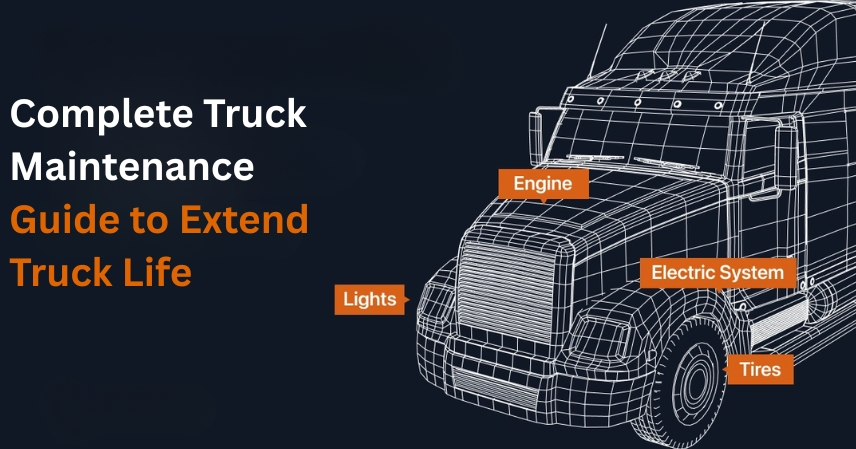
Engine Care: The Heart of Your Truck
The engine is the most vital and expensive part of any truck. Its longevity depends on how well it’s maintained.
Essential Engine Maintenance Tips
- Regular Oil Changes: Change engine oil every 3,000–5,000 miles to keep it lubricated and reduce friction and heat.
- Replace Air Filters: Change clogged air filters every 12,000 miles or sooner in dusty environments.
- Clean the Fuel System: Regularly clean fuel injectors to prevent deposits and maintain engine responsiveness.
- Cooling System Checks: Inspect the radiator, coolant, hoses, and thermostat to prevent overheating.
- Inspect Belts and Hoses: Replace worn or cracked belts and hoses early to avoid expensive engine damage.
Tire Care: Safety and Efficiency on the Road
Tires are your truck’s direct connection to the road. Neglecting them increases fuel consumption and accident risk.
Key Tire Maintenance Advice
- Check tire pressure monthly and before long trips.
- Rotate tires every 6,000 miles.
- Inspect for cuts, bulges, or uneven wear.
- Ensure wheels are properly balanced and aligned.
- Never exceed load ratings.
Properly inflated tires can improve fuel efficiency by up to 5%.
Brake and Suspension System Maintenance
Brakes and suspension endure significant stress, especially on Indian roads.
Brake System Best Practices
- Inspect brake pads, discs, and drums regularly.
- Check brake fluid level and quality.
- Look for air leaks in air brake systems.
Suspension and Steering Checks
- Examine bushings, shock absorbers, and leaf springs.
- Ensure steering components are in good condition and wheels are aligned.
Early detection of issues prevents accidents and expensive downtime.
Battery and Electrical System Care
Battery failure is a leading cause of roadside breakdowns.
Battery and Electrical Maintenance Tips
- Clean battery terminals frequently.
- Check for corrosion or loose cables.
- Test the charging system and alternator.
- Replace weak batteries before failure.
Modern trucks with telematics and sensors demand a reliable electrical system.
The Importance of Regular Fluid Checks
Ignoring fluid levels can lead to major repairs.
Fluids to Monitor
- Engine oil
- Coolant
- Brake fluid
- Transmission fluid
- Power steering fluid
- Windshield wiper fluid
Low or dirty fluids can damage essential truck systems.
Exterior Maintenance: More Than Just Looks
Regular truck washing is crucial—not just for appearance.
Benefits of Frequent Cleaning
- Prevents rust and corrosion
- Increases resale value
- Helps spot leaks or cracks early
- Protects paint and body panels
Waxing adds extra protection against harsh weather and pollution.
Maximizing Truck Efficiency
Truck efficiency is about converting fuel into useful work.
Expert Tips for Better Efficiency
- Maintain correct tire pressure.
- Avoid prolonged idling.
- Accelerate and brake smoothly.
- Reduce unnecessary weight.
- Use aerodynamic aids like side skirts.
- Follow optimized GPS routes.
Efficient trucks consume less fuel and emit fewer pollutants.
Calculating Truck Maintenance Costs
Several factors affect maintenance expenses:
- Vehicle age and mileage
- Nature of operations
- Driving habits
- Quality of replacement parts
- Labor costs
- Proactive vs. reactive maintenance
Preventive maintenance is always more cost-effective than major repairs.
Essential Truck Maintenance Checklist
A thorough checklist ensures nothing is overlooked.
Key Areas to Inspect:
- Engine: battery, oil, filters, belts, hoses
- Tires: pressure, tread, rotation, alignment
- Brakes: pads, discs, fluid, air lines
- Suspension: shocks, springs, steering components
- Electrical: battery, wiring, lights, alternator
- Transmission: fluid level and condition
- Cooling: fan, radiator, coolant
- Exhaust: pipes, muffler, emissions components
- Cabin: seat belts, instruments, AC, mirrors
- Body: rust, dents, cargo bed condition
Long-Term Benefits of Regular Truck Maintenance
Keeping your trucks in top shape delivers:
- Better fuel economy
- Increased uptime
- Enhanced safety and reliability
- Lower repair and breakdown costs
- Extended engine and component life
- Higher resale value
- Regulatory compliance
- Improved driver comfort
- Greater customer satisfaction
Expert Tips for Prolonging Truck Life
- Strictly follow manufacturer service schedules.
- Keep detailed maintenance records.
- Encourage drivers to report issues quickly.
- Use high-quality spare parts.
- Drive responsibly.
- Conduct inspections before and after trips.
Consistency is the key to long-lasting vehicles.
Conclusion
Caring for your truck is an investment that pays off with lower expenses, improved reliability, greater safety, and a longer vehicle lifespan. Well-maintained trucks consistently outperform neglected ones. By following these comprehensive truck maintenance tips, you can keep your vehicles productive, safe, and efficient for years to come.
FAQs
Service intervals depend on usage, but monthly preventive checks and following the manufacturer’s schedule are recommended.
Yes, correct tire pressure, proper engine tuning, and clean filters all contribute to better mileage.
Engine and transmission failures are the most expensive, but regular maintenance can help prevent them.
Absolutely. Early problem detection prevents unexpected breakdowns.
Yes, well-maintained trucks command higher prices and greater buyer trust.