Why This Ban? One Step Closer to Cleaner Air
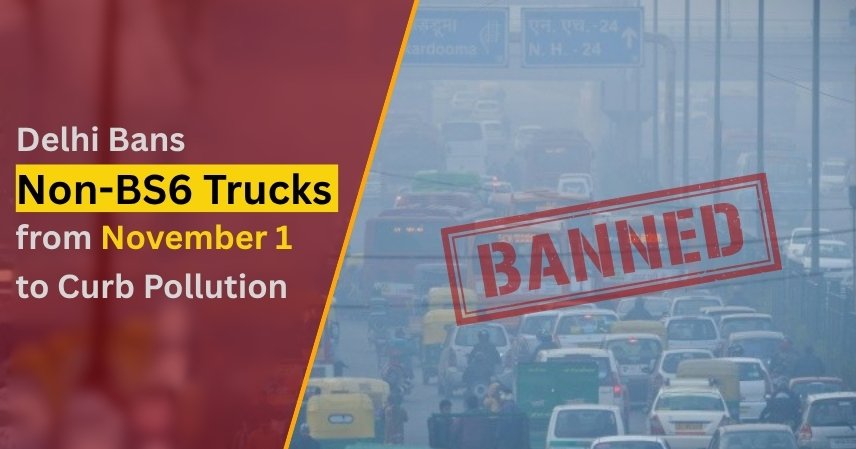
Vehicles are one of the main contributors to Delhi’s air pollution, especially in winter and post-monsoon periods when other factors like stubble burning and dust exacerbate the problem. According to the Centre for Science and Environment (CSE), transportation emissions account for about 28% of Delhi’s PM2.5 levels, with heavy-duty diesel trucks being the largest offenders.
Government Objectives
- Reduce pollution from older, non-BS6 vehicles
- Promote cleaner fuels by encouraging the use of BS6-compliant diesel and petrol
- Accelerate adoption of electric vehicles in the goods transport sector
These measures are expected to significantly reduce pollution and enhance air quality in the long run.
Understanding BS-VI Emission Standards
The BS-VI (Bharat Stage 6) norms, enforced since April 2020, are India’s strictest vehicle emission standards and align with Euro 6 regulations. They drastically cut allowable pollution limits:
| Pollutant | BS-IV Limit | BS-VI Limit | Reduction |
|---|---|---|---|
| Nitrogen Oxides (NOx) | 250 mg/km | 80 mg/km | 68% |
| Particulate Matter | 25 mg/km | 4.5 mg/km | 82% |
BS6 engines require advanced catalytic converters and ultra-low sulfur fuel (10 ppm). This is a major milestone in combating Delhi’s smog, as BS6 trucks emit far less soot and harmful gases than their predecessors.
Vehicles Affected by the Ban
The ban targets all non-BS6 commercial goods vehicles, including:
- Light Commercial Vehicles (LCVs)
- Medium Commercial Vehicles (MCVs)
- Heavy Commercial Vehicles (HCVs)
- Diesel trucks transporting construction materials, waste, or goods
From November 1, only vehicles transporting essential commodities like vegetables, milk, medicines, and other perishables will be exempt. Trucks from neighboring states (Haryana, Uttar Pradesh, Rajasthan) must also comply with BS6 norms to enter Delhi.
Implementation Strategy
The CAQM, Delhi Police, and Delhi Transport Department will collaborate to enforce the rule at all 13 access points to the city.
- RFID systems will automatically verify vehicle compliance.
- Penalties and fines will be imposed under the Motor Vehicles Act for violations.
- Pollution control equipment and real-time monitoring booths will be installed on major roads.
- Construction and demolition bans will also be enforced on highly polluted days
Impact on Logistics and Transportation Companies
Short-Term Challenges
- Increased transportation costs due to limited vehicle availability
- Delays in deliveries to and from Delhi
- Higher costs for upgrading or replacing older vehicles
Long-Term Benefits
- Lower maintenance and fuel costs for BS6 trucks
- Cleaner, more efficient logistics systems
- Government incentives for CNG and electric trucks
Experts predict fleet modernization and a shift towards greener logistics in the NCR as a result of these measures.
Broader Government Initiatives
This ban is part of a comprehensive effort to create a cleaner, greener Delhi and NCR by 2030. Key initiatives include:
- National Electric Bus Program (NEBP): 10,000 electric buses to be deployed under CESL
- FAME-II: Increased subsidies for electric trucks and LCVs
- Expansion of CNG fueling and battery-swapping stations
- Low Emission Zones (LEZ): To be introduced in major cities by 2026
- Delhi Electric Vehicle Policy: Targets 70% of business fleets to switch to EVs by 2030
Market Impact
The commercial vehicle market is gradually transitioning toward cleaner technologies. Demand for BS6-compliant trucks is rising, with manufacturers like Tata Motors, Ashok Leyland, Eicher, and Mahindra offering advanced models. Electric and CNG options are also gaining popularity for city deliveries.
Expert Insights
Dr. Rakesh Sharma, Automotive Policy Analyst at NITI Aayog, states:
“This decision marks a dramatic change in how Delhi handles its air quality. Switching to BS6 and electric vehicles is not only beneficial for the environment but also excellent for the economy. Early adopters among transporters will reap long-term benefits.”
Industry experts expect a surge in BS6 vehicle sales ahead of the November 2025 deadline as fleet owners rush to upgrade.
Recommendations for Transporters
- Upgrade to BS6 Vehicles: Essential for continued operation in the NCR.
- Explore CNG or EV Options: To reduce operating costs and take advantage of subsidies.
- Reroute Deliveries: Avoid restricted Delhi zones if possible.
- Leverage Scrappage Policy: The 2021 Vehicle Scrappage Policy offers incentives for scrapping old vehicles.
Looking Ahead
Delhi’s BS6 truck ban is more than just a temporary regulation—it’s a strong commitment to environmental stewardship. While the transition may be challenging for small fleet owners, it paves the way for a nationwide shift toward eco-friendly transportation.
As electric and alternative-fuel vehicles become more common, India is moving steadily toward cleaner logistics. Delhi’s example may inspire similar regulations in other states.
Conclusion
Delhi’s ban on non-BS6 trucks marks a major step toward cleaner cities and healthier air. Fleet owners should modernize, consider greener alternatives, and prepare for a sustainable future in logistics.
FAQs
The ban starts on November 1, 2025.
All commercial diesel and petrol vehicles that do not meet BS6 standards, including trucks, trailers, and LCVs.
Yes, vehicles carrying essential goods like medicines, vegetables, milk, and other perishables are exempt.
BS6 vehicles adhere to Bharat Stage VI norms, emitting 68–82% fewer harmful gases than BS4 engines.
Yes, costs may rise initially, but cleaner vehicles will reduce operating expenses in the long run.
No, BS6 compliance requires a new engine and exhaust system.
The ban is expected to cut vehicle emissions by 20–25% during winter.