
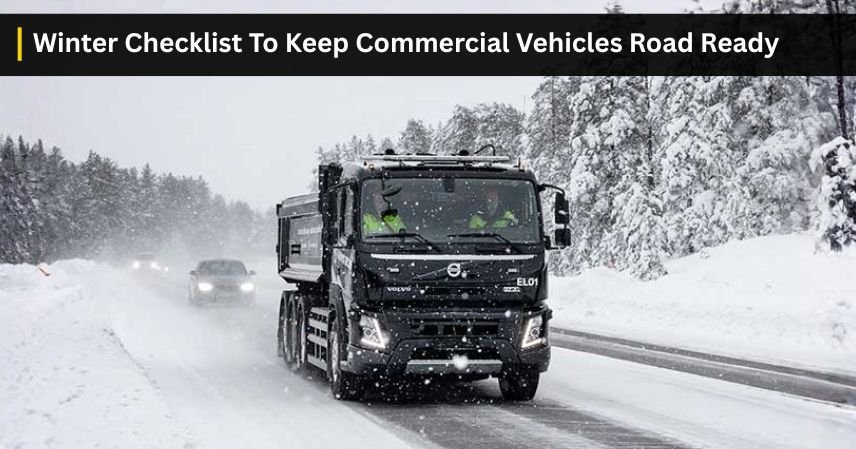
While most parts of India don’t experience heavy snowfall, winter brings cold mornings, dense fog, high moisture, and fluctuating temperatures. These conditions can significantly impact the performance of commercial vehicles such as tipper trucks, auto rickshaws, mini trucks, pickup vans, and other light commercial vehicles. With these vehicles working daily in challenging environments and carrying heavy loads, winter maintenance becomes essential to ensure safety, reliability, and profitability.
The Risks of Skipping Winter Maintenance
Neglecting seasonal maintenance can lead to:
- Reduced fuel efficiency
- Hard starting issues
- Accelerated parts wear
- Increased risk of breakdowns
- Safety concerns for drivers and cargo
How Winter Weather Affects Commercial Vehicles
Commercial vehicles face greater challenges in winter due to:
- Heavy loads
- Extended hours of operation
- Frequent stop-and-go driving
- Exposure to dust and moisture
Diesel engines, batteries, tires, brakes, and electrical systems are particularly vulnerable during colder months. A structured winter maintenance checklist helps prevent costly repairs and downtime.
Essential Winter Maintenance Checklist
Engine Oil and Fuel System Care
Why: Cold temperatures thicken engine oil, making lubrication difficult at startup.
Tips:
- Use manufacturer-recommended winter-grade engine oil.
- Monitor oil levels regularly.
- Change oil as service intervals approach.
- Especially important for mini trucks and tipper trucks running early mornings.
Protecting the Diesel Fuel System
Why: Diesel fuel thickens in the cold, hindering flow.
Tips:
- Keep fuel tanks at least half full to prevent condensation.
- Drain water separators regularly.
- Use approved diesel additives if needed.
Battery and Electrical System Health
Why: Batteries lose efficiency in cold weather and often fail in winter.
Tips:
- Check battery voltage and terminals.
- Clean corrosion from battery posts.
- Ensure cable connections are secure.
- Replace weak batteries before peak winter.
- Auto rickshaws and e-rickshaws are especially susceptible to battery issues.
Lighting and Electrical Wiring
Why: Shorter days and fog require fully functional lighting.
Tips:
- Inspect headlights, fog lights, and indicators.
- Check for cracks in wiring insulation.
- Ensure proper grounding.
Tires, Suspension, and Braking Systems
Tire Tread Depth and Pressure
Why: Cold air reduces tire pressure, causing uneven wear and lowering mileage.
Tips:
- Check tire pressure weekly.
- Maintain recommended PSI for loaded and unloaded conditions.
- Inspect tread depth and sidewalls for cracks.
Suspension and Steering Components
Why: Winter increases stress on suspension parts.
Tips:
- Check bushes, shock absorbers, and leaf springs.
- Lubricate moving parts.
- Listen for unusual noises while driving.
Brake System Maintenance
Why: Water in brake fluid can reduce braking efficiency.
Tips:
- Check brake fluid level and condition.
- Inspect brake pads, shoes, and discs.
- Look for air leaks in air brake systems.
Cooling System and Cabin Comfort
Radiator and Coolant System
Why: Coolant is crucial even in winter to prevent overheating and corrosion.
Tips:
- Maintain the correct coolant level.
- Inspect hoses for leaks or cracks.
- Clean radiator fins for better airflow.
Cabin Heating and Defogging
Why: Cabin comfort and visibility affect driver alertness.
Tips:
- Check heater and blower motor operation.
- Ensure windshield defogger works.
- Replace worn wiper blades.
Weatherproofing and Door Seals
Why: Worn seals let in cold air and moisture.
Tips:
- Check rubber seals on windows and doors.
- Replace damaged seals.
- Lubricate locks to prevent freezing.
Winter Tips for Specific Vehicle Types
Tipper Trucks
- Check hydraulic oil viscosity.
- Inspect tipping mechanism for smooth operation.
- Lubricate pivot points regularly.
Mini Trucks and Pickup Vans
- Test clutch performance.
- Check transmission oil.
- Adhere to payload limits.
Rickshaws and E-Rickshaws
- Monitor battery health.
- Check tire grip and brakes.
- Inspect suspension for passenger comfort.
The Value of Preventive Maintenance
Investing in winter maintenance helps avoid:
- Unexpected roadside breakdowns
- High emergency repair costs
- Costly vehicle downtime
- Missed delivery schedules
Proactive maintenance directly improves profitability for fleet owners and small operators.
Best Practices for Safe Winter Driving
- Allow the engine to warm up properly.
- Avoid sudden acceleration.
- Maintain a safe following distance.
- Use fog lights carefully.
- Combine mechanical readiness with driver awareness for optimal safety.
Environmental and Efficiency Benefits
Well-maintained commercial vehicles:
- Use less fuel
- Produce fewer emissions
- Last longer
- Support sustainable transportation goals
Conclusion
Winter maintenance is essential—not optional—for commercial vehicles operating in India. By focusing on engine, fuel, battery, electrical systems, tires, brakes, and driver comfort, operators can ensure maximum uptime, safety, and cost savings throughout the cold season. Preventive care today can save substantial expenses tomorrow.
FAQs
Cold weather increases the risk of battery, fuel system, tire, and brake failures.
Batteries, tires, engine oil, brakes, and the fuel system require special care.
At least once a week during winter.
Yes, monitoring battery performance, charging speed, and tire grip is crucial.
Absolutely. Well-maintained vehicles are more fuel-efficient and economical to run.