Improvements in infrastructure, the rise of e-commerce, and expanding last-mile logistics are transforming India’s commercial vehicle (CV) industry. In a rapidly changing market, a product’s performance is as important as the strength of its after-sales support and service network.
Ashok Leyland’s Expansion Plans in Western India
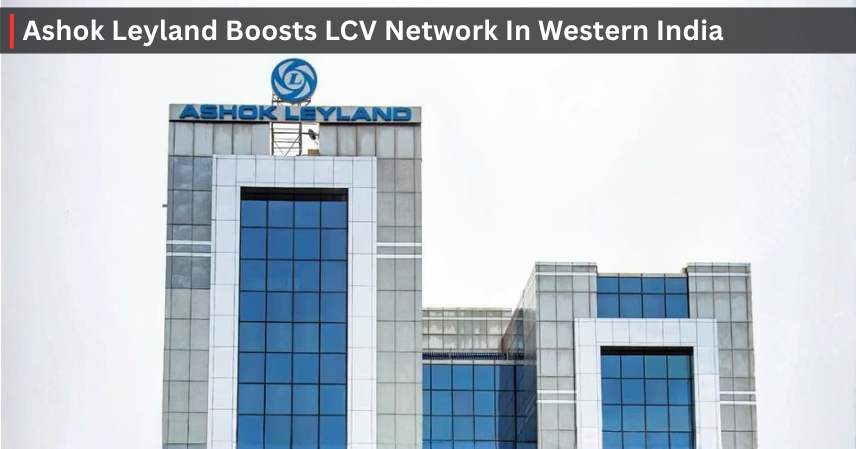
Ashok Leyland has announced significant growth in its dealer and service center network in Western India, aiming to add 30 new service sites over the next year, focusing on Maharashtra and nearby states. This ambitious plan underscores Ashok Leyland’s commitment to strengthening its Light Commercial Vehicle (LCV) business in one of India’s busiest regions for commercial vehicles.
Why Expanding the Service Network Matters
For commercial vehicles, uptime directly impacts profitability. These vehicles follow demanding schedules and face intensive use, so every minute off the road affects earnings. A robust service network ensures:
- Faster repairs and maintenance
- Reduced vehicle downtime
- Lower operating costs
- Higher resale value
- Increased brand loyalty
By expanding its service footprint, Ashok Leyland addresses a key factor that influences purchasing decisions in the LCV sector.
Existing Network Strength in Western India
Before this new phase of growth, Ashok Leyland’s presence in Western India included:
- 29 dealer partners
- 130 service workshops
- Over 350 trained technicians
- Service touchpoints every 35 kilometers
This network has been invaluable for fleet managers, transporters, and logistics firms. However, rising demand for LCVs highlighted the need for deeper industry penetration.
Plans for 30 New Service Touchpoints
With 30 additional service points, Ashok Leyland’s total outlets in the region will rise to 150. The company’s goal is to reduce the average service gap from one touchpoint every 35 km to one every 25 km—a significant improvement, especially for routes through rural and semi-urban areas.
Targeted Growth Areas
- High-traffic freight routes
- Industrial zones
- Emerging logistics hubs
- Infrastructure development sites
Strategically located centers will offer customers optimal service coverage and convenience.
Maharashtra: The Core of the Expansion
Maharashtra remains a central market for commercial vehicles, driven by:
- Rapid business expansion
- Urbanization
- Infrastructure projects
- Growth in e-commerce and warehousing
- Significant freight movement
Major cities like Mumbai, Pune, Nagpur, and Nashik are vital logistics centers. Ashok Leyland aims to support rising LCV demand by enhancing its service network across Maharashtra.
Supporting Light Commercial Vehicle Growth
The expansion primarily benefits Ashok Leyland’s LCV division, which serves a wide array of needs such as:
- Last-mile deliveries
- E-commerce logistics
- Agricultural transport
- FMCG distribution
- Urban goods movement
Ashok Leyland’s LCVs are renowned for their load capacity, fuel efficiency, practical design, and competitive ownership costs. Strengthening the service infrastructure ensures rapid, reliable support as sales increase.
Operational Benefits
Closer service centers mean:
- Quicker access to repairs
- Reduced maintenance-related downtime
- Improved fleet utilization
- Greater customer satisfaction
These improvements lead to increased income for small fleet owners and independent drivers.
Boosting Western India’s Logistics Sector
Western India is a logistics powerhouse, vital for:
- Port-based goods movement
- Interstate transportation
- Agricultural produce transit
- Industrial and infrastructure supply chains
As logistics needs grow, dependable CVs and outstanding after-sales support become even more essential.
Empowering Dealers and Technicians
Network expansion also brings:
- More dealership opportunities
- Regional job creation
- Technician training and upskilling programs
With over 350 certified technicians already in place, additional service points will spur local employment and economic growth. Modern LCVs require skilled technicians to handle advanced engineering and emissions control systems.
Strengthening Market Competitiveness
India’s commercial vehicle market is fiercely competitive. Buyers evaluate:
- Vehicle cost
- Fuel efficiency
- Maintenance expenses
- Service network reach
- Spare parts availability
A strong service network is often the deciding factor. By narrowing the service gap to 25 km, Ashok Leyland significantly enhances its value proposition.
A Long-Term Vision for Western India
This expansion reflects a long-term strategy to:
- Reach rural and underserved areas
- Support MSMEs and small businesses
- Build brand loyalty
- Increase after-sales revenue
- Align with infrastructure and construction trends
Upcoming industrial corridors, smart cities, and highway upgrades will further boost Western India’s commercial vehicle market.
Benefits for Customers and Fleet Owners
Transportation businesses can expect:
- Faster repairs
- More reliable service
- Lower fuel and travel costs for maintenance
- Genuine spare parts
- Professional technical support
These advantages lead to better operational predictability and increased long-term profitability.
Supporting India’s Growth Story
India’s demand for commercial vehicles is fueled by:
- Roadway expansion
- Economic development
- Growing consumption in Tier 2 and Tier 3 cities
- Rapid e-commerce growth
- Government infrastructure investments
Companies with robust service infrastructure will lead the market as these trends continue. Ashok Leyland’s expansion positions it well for future growth.
FAQs
Ashok Leyland plans to add 30 new service sites in the coming year.
The average distance between touchpoints will reduce from 35 km to 25 km.
The focus is on Maharashtra and other Western Indian states.
Expect reduced downtime, easier access to service, and faster repairs and maintenance.
There are currently 29 dealers, 130 workshops, and more than 350 skilled technicians.
Better servicing infrastructure enables longer, more reliable, and more efficient fleet operations across Western India.