
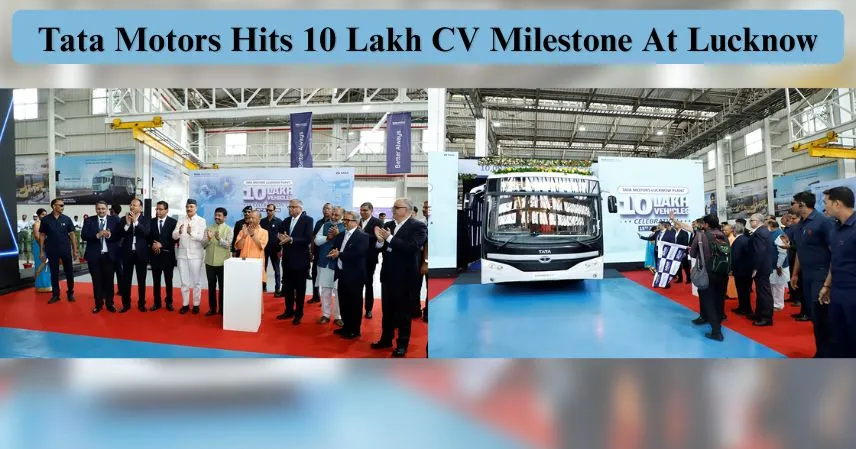
Tata Motors has set a remarkable record by producing its 10 lakhth (1 millionth) commercial vehicle at its state-of-the-art factory in Lucknow. This achievement is a testament to Tata Motors’ strong legacy in India’s commercial vehicle industry and its unwavering commitment to innovation and sustainability. Notably, the milestone vehicle is an electric bus, underlining the company’s dedication to eco-friendly transportation solutions.
The Significance of the Lucknow Plant
The Lucknow facility is a pivotal part of Tata Motors’ production network, making a significant impact on both Indian and global markets. As a model of modern Indian manufacturing, the plant uses the latest technology and follows strict environmental standards. This approach not only boosts efficiency but also aligns with Tata Motors’ goal of reducing its environmental footprint—essential for brand reputation and compliance with government regulations.
Key Highlights
- 10 Lakh Commercial Vehicles Produced
- Milestone Vehicle: Electric bus with zero emissions
- Operational Since: 1992
- Annual Production Capacity: Over 100,000 vehicles
- Serves Domestic and International Markets
- Strong Focus on Electric Vehicles (EVs) and Sustainability
How the Lucknow Plant Drives Success
Covering over 600 acres, the Lucknow plant manufactures a wide range of buses and trucks powered by diesel, electric, and fuel cell technologies. The facility is instrumental in meeting India’s growing demand for commercial vehicles and supporting export ambitions.
Capabilities and Innovations
- Multiple Powertrains: Diesel, Electric Vehicles (EVs), Fuel Cell Electric Vehicles (FCEVs)
- Advanced Assembly: Complex trucks and buses
- Export-Ready: Meets international standards
- Adoption of Industry 4.0: Digital transformation and automation
Focus on Green Mobility
Tata Motors is a leader in promoting green transportation, with electric buses playing a vital role in reducing carbon emissions and supporting sustainable mobility. The company invests heavily in R&D, battery technology, and charging infrastructure to further its commitment to environmental stewardship.
Drivers of EV Adoption in India
- Rising Fuel Prices
- Government Incentives
- Stricter Environmental Regulations
- Demand for Sustainable Mobility Solutions
Tata Motors continues to lead this transition by expanding its electric and alternative fuel vehicle portfolio.
Sustainability Initiatives at Lucknow Plant
The Lucknow facility is a benchmark for sustainable manufacturing in India. It operates entirely on renewable energy and has attained water-positive status, earning recognition from CII (Confederation of Indian Industry).
Key Sustainability Measures
- 100% Renewable Energy Usage
- Water-Positive Certification
- Reduced Carbon Footprint
- Resource Optimization
These initiatives align with Tata Motors’ long-term vision to manufacture products that are environmentally friendly and pollution-free.
Economic Impact and Job Creation
The Lucknow plant directly and indirectly creates over 8,000 jobs, significantly contributing to the economy of Uttar Pradesh. It drives regional growth by supporting local businesses, investing in communities, and offering opportunities to women, differently-abled individuals, and minorities.
Workforce and Community Engagement
- Diverse and Inclusive Workforce
- Support for Persons with Disabilities
- Community Involvement Programs
Training and Skill Development
Tata Motors places a strong emphasis on workforce development, offering a variety of training and apprenticeship programs at the Lucknow plant to enhance employees’ technical skills and employability.
Key Programs
- Kaushalya: Skill Development Initiatives
- Lakshya: Targeted Training Courses
- Saksham: Employment Assistance
- Dual Training System and Apprenticeships
These programs have transformed the lives of thousands of young people by providing job opportunities and hands-on training.
Advanced Manufacturing Technologies
The Lucknow plant leverages cutting-edge technologies such as robotics, automation, artificial intelligence, and digital manufacturing platforms. These advancements improve production speed, quality, and safety while reducing errors and costs.
Innovations at the Plant
- Robotic and Autonomous Machines
- AI-Driven Production Systems
- Real-Time Digital Monitoring
- Efficient and High-Quality Output
Strategic Business Transformation
Tata Motors has continuously evolved its operations to remain competitive and agile. In October 2025, the company received government approval to change its name from TML Commercial Vehicles Limited to Tata Motors Limited, reinforcing its position as a global automotive leader.
Tata Motors’ Leadership in the Commercial Vehicle Market
With nearly 80 years in the business, Tata Motors remains India’s top commercial vehicle manufacturer, offering a diverse range of trucks, buses, and electric vehicles. The company focuses on technology, sustainability, and customer-centric solutions to stay ahead in the market.
Looking Ahead: The Future of Tata Motors and the Lucknow Plant
Tata Motors is poised for further growth, especially through investments in electric and hydrogen-powered vehicles. The Lucknow facility will play a crucial role in this transformation by:
- Enhancing EV Production Capabilities
- Introducing Next-Gen Technologies
- Boosting Export Readiness
- Promoting Renewable Energy and Sustainability
These initiatives will support India’s journey towards cleaner, healthier, and more sustainable transportation systems.
Conclusion
The production of Tata Motors’ 10 lakhth commercial vehicle at the Lucknow plant is a major milestone, reflecting its commitment to innovation, sustainability, and excellence in manufacturing. With ongoing investments in electric mobility, renewable energy, and workforce development, Tata Motors continues to set new benchmarks in the automotive industry.
FAQs
Q1: What was the most important achievement at the Lucknow plant?
A: The production of the 10 lakhth commercial vehicle, an electric bus.
Q2: How many jobs does the Lucknow plant generate?
A: Over 8,000 direct and indirect jobs.
Q3: What types of vehicles are produced at the plant?
A: Buses, trucks, electric vehicles, and fuel-cell electric vehicles.
Q4: Does the Lucknow plant follow sustainable practices?
A: Yes, it uses 100% renewable energy and is water-positive.
Q5: When was the Lucknow plant established?
A: The plant started operations in 1992.